
Scientific name: Carya ovata
Family: Juglandaceae (Walnut family)
A slow-growing, native tree distributed throughout the state, known for its strong wood used for handles and cabinetry. The shagbark hickory is distinguished by its rough, shaggy bark, which peels in long, thick strips from trunks and branches. This slow-growing deciduous tree prefers deep, moist, well-drained soil and full to partial sun but displays excellent drought tolerance. Its nuts are is relished by squirrels and can be eaten by people.
Identification

LEAF: Leaves are broad, up to 15 inches long, alternate, pinnately compound, and almost always have five finely-toothed leaflets with serrations on leaflet margins. Medium to dark yellow green in summer, faded green to chartreuse in fall but can also change to golden or brownish yellow.
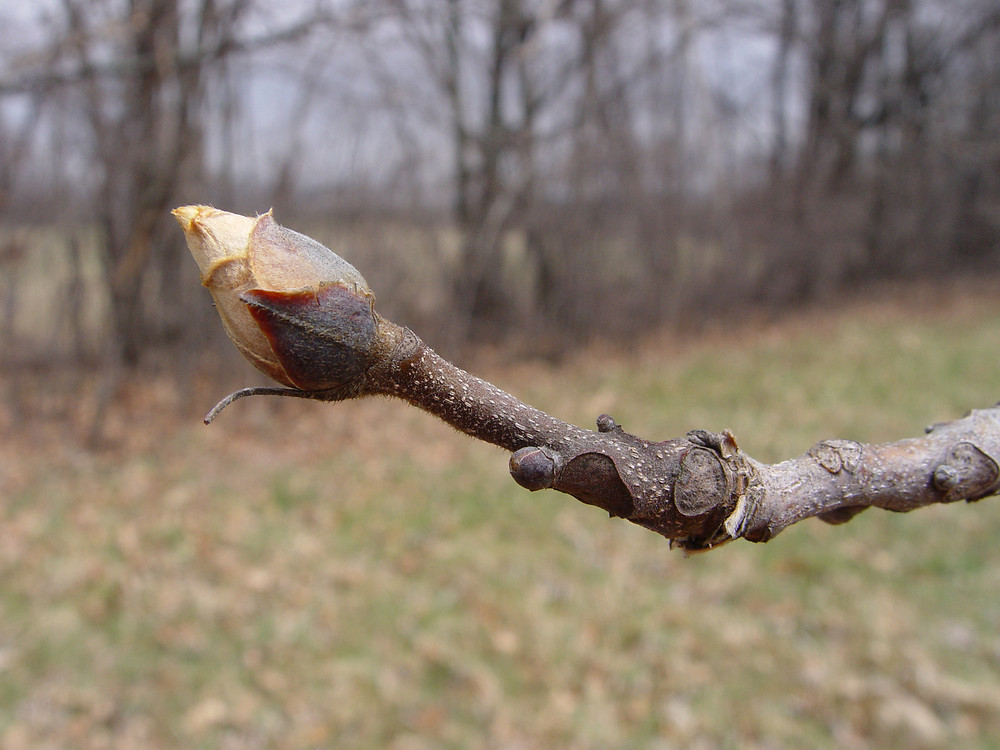
TWIGS AND BUDS: Thick, stout reddish-brown or gray twigs, bold-textured jagged branch structure. Large terminal and lateral buds. Bud scales are persistent (some hickories lose their bud scales).
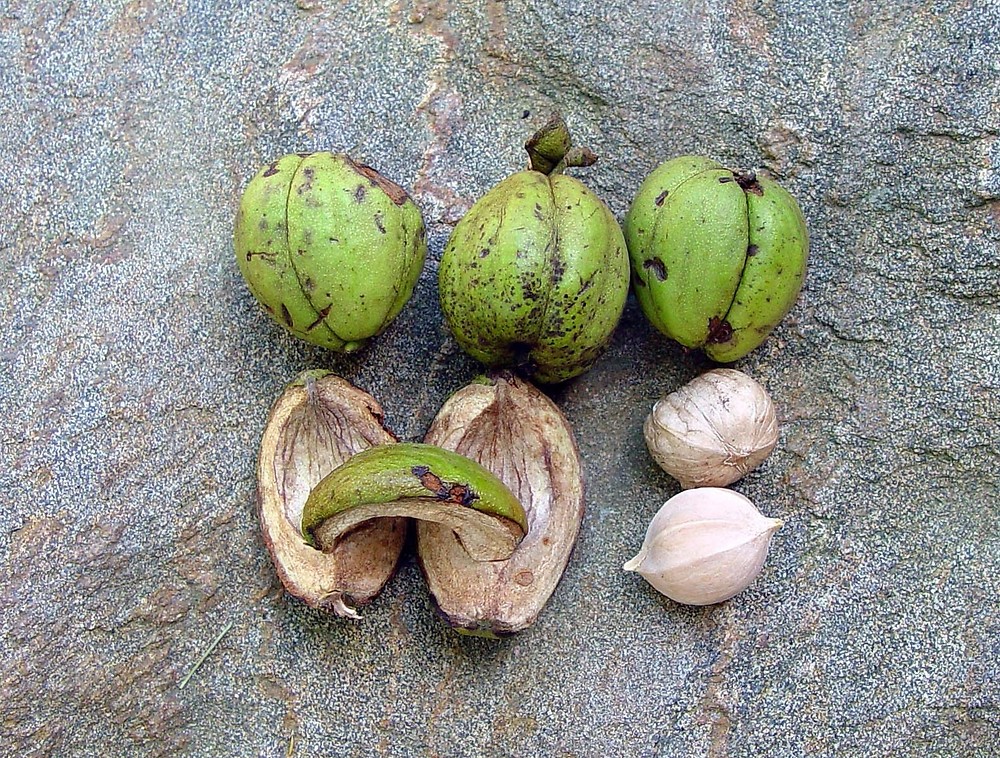
FRUIT OR SEED: The yellow-green fruit is composed of innermost sweet kernel, surrounded by hard bony shell with four subtle ribs and a thick outer husk which splits open into four quarters when ripe.
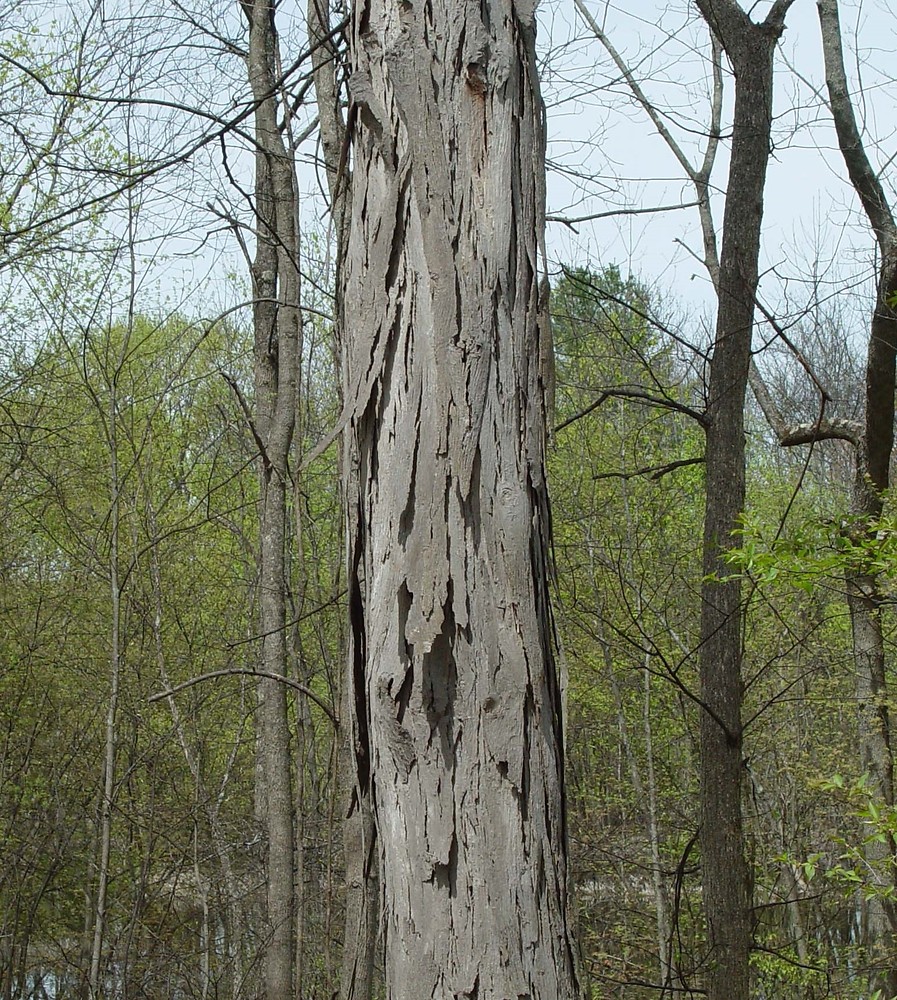
BARK: Young gray bark is smooth and striated but develops buckling ridges that separate from underlying bark to form long curly strips or plates.
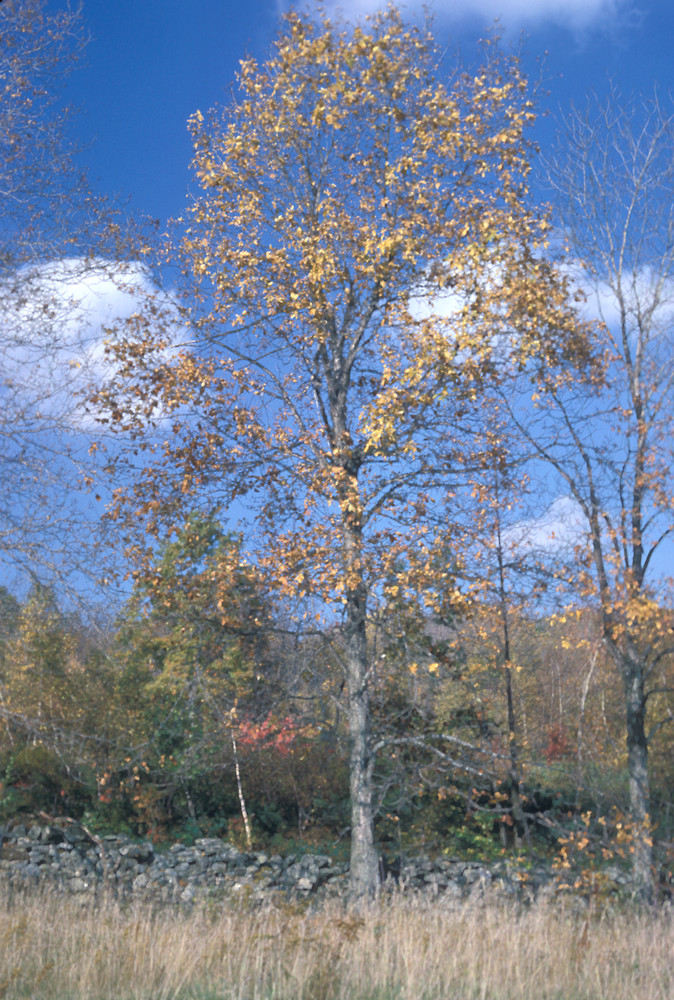
SHAPE: Oblong crown, upright shape.
MATURE HEIGHT: 70-100 feet.
Photo credits: ©Arthur Haines (Native Plant Trust), Donald Cameron, Frank Bramley (© 2024 Native Plant Trust)

 Lower Olentangy Urban Arboretum