
Scientific name: Quercus coccinea
Family: Fagaceae (Beech family)
Named for its brilliant fall colors, scarlet oak is found abundantly on dry sites in eastern and southern counties but is rare elsewhere. This fast-growing native tree prefers dry, acidic soils and full to medium sun; it will not perform well in soils of neutral or high pH and may develop chlorosis (yellowing of leaf blades). Scarlet oak acorns are an important food source for many songbirds, wild turkeys, squirrels, and deer.
Identification
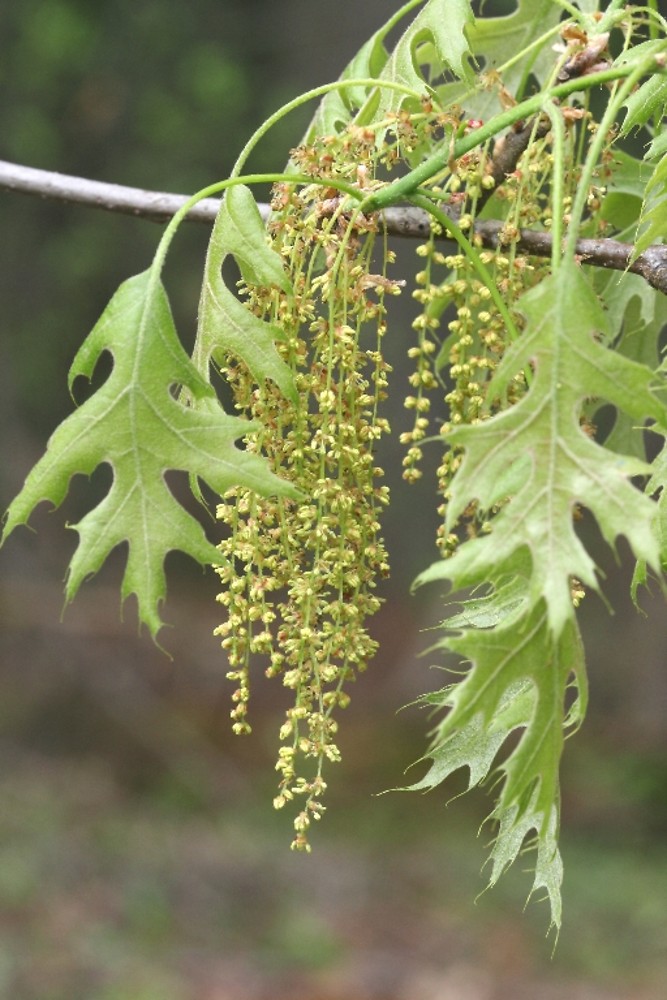
LEAF: Alternate, broadly elliptical, 4-7 inches long to 5 inches wide, with toothed and pointed lobes. Sinuses vary in depth and width, even on the same tree. Deep sinuses cutting nearly to mid-rib with narrow, bristle-tipped lobes are common in the upper part of the tree canopy.
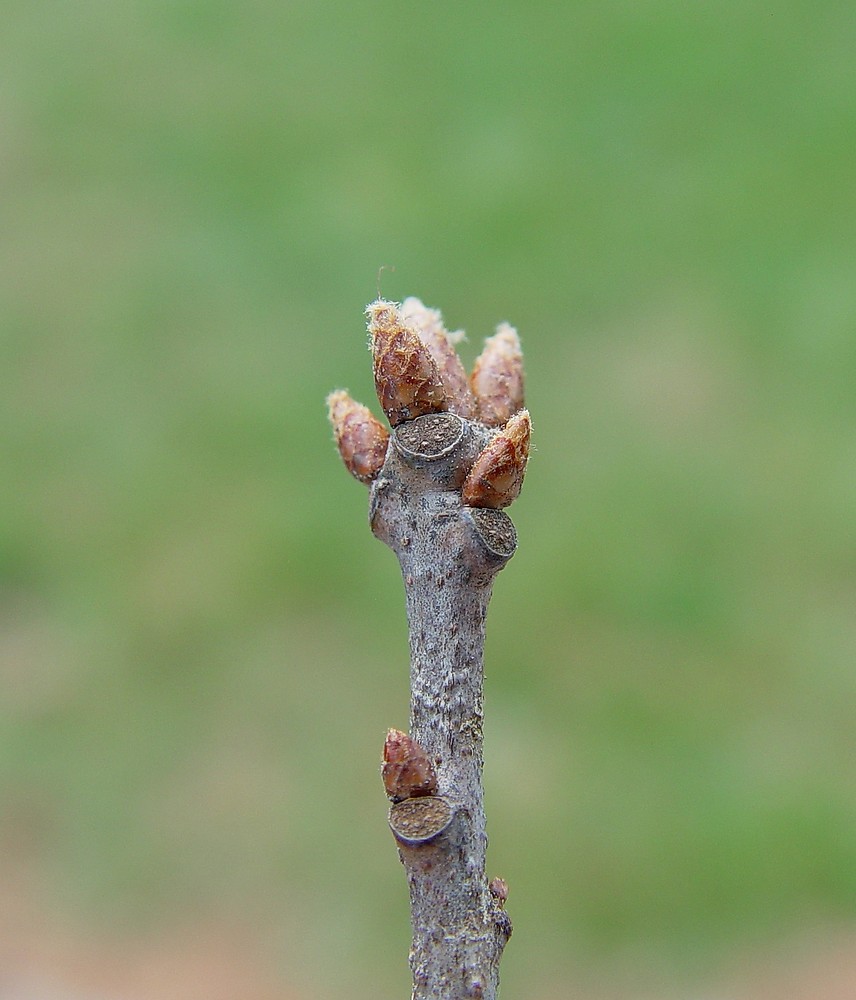
TWIGS AND BUDS: Twigs terminate in a cluster of buds with varying sizes and degrees of pubescence, ranging from small on grayish-green twigs to large and hairy on reddish-brown twigs.
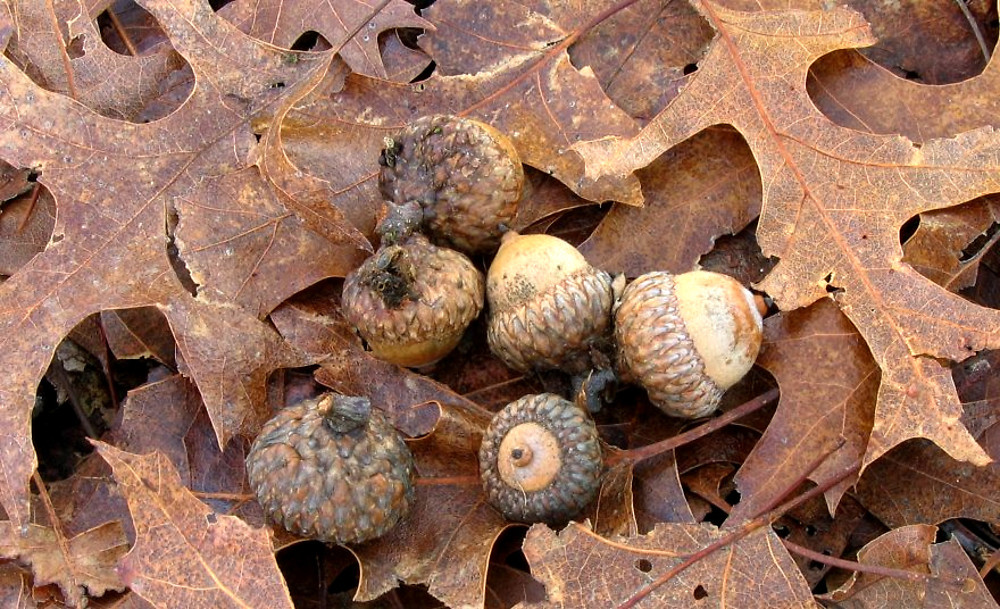
FRUIT OR SEED: Acorns are ½ to 1 inch long, oval, and enclosed to about ½ of their length in a deep, bowlike cup. They often have concentric rings resembling a bull’s-eye on the exposed acorn tips.
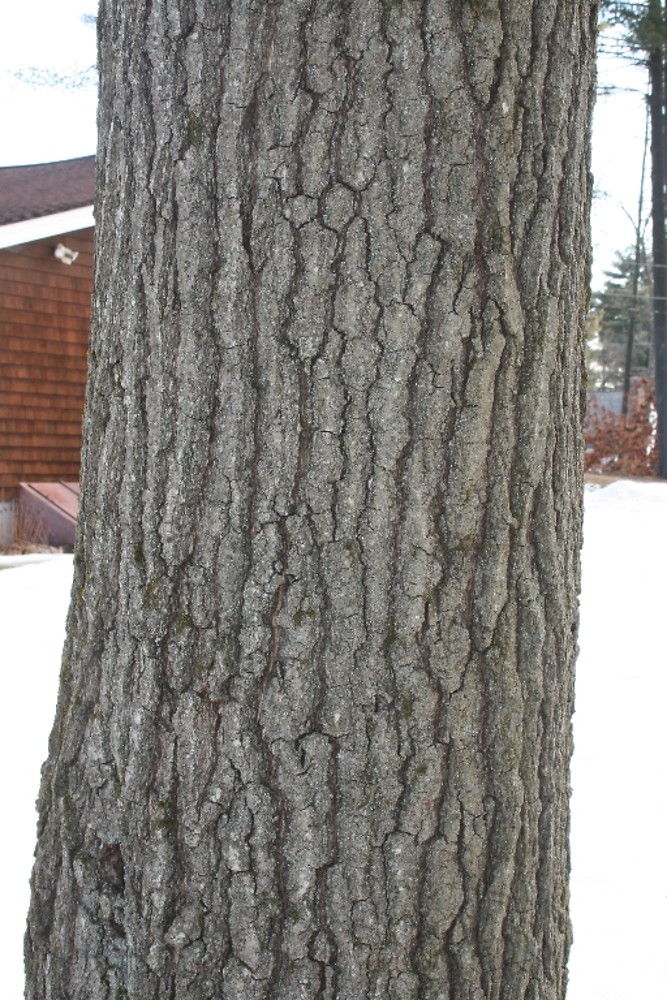
BARK: Thin bark becomes moderately ridged and shallowly furrowed with age and is dark gray to gray-brown in color.
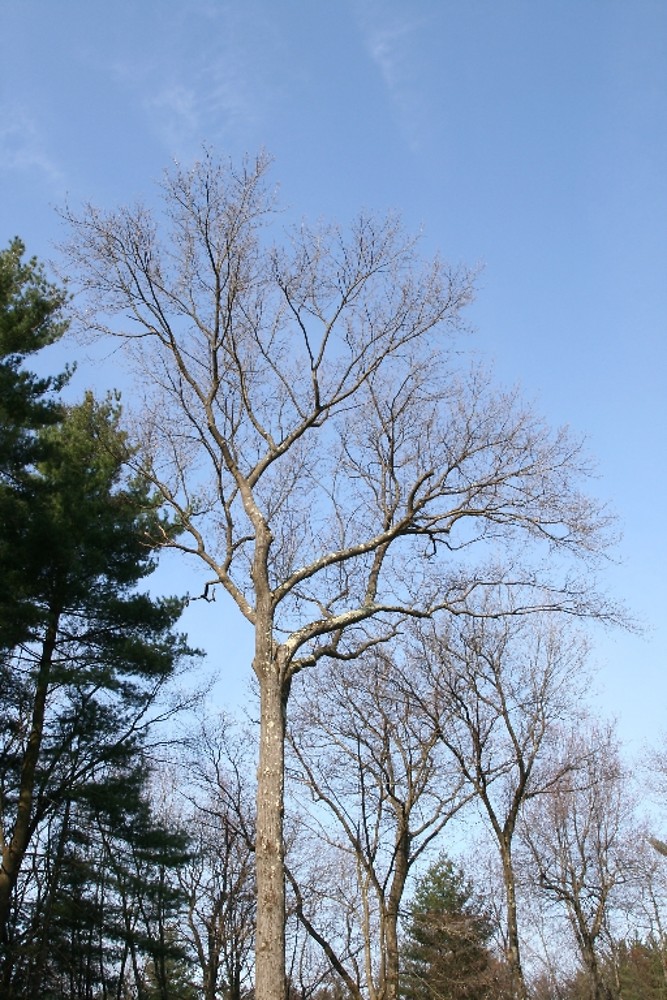
SHAPE: Pyramidal to rounded.
MATURE HEIGHT: 60-90 feet.
Photo credits: ©Arthur Haines (Native Plant Trust), Arieh Tal (https://botphoto.info), Alexey Zinovjev

 Lower Olentangy Urban Arboretum