
Scientific name: Sassafras albidum
Family: Lauraceae (Laurel family)
This native tree is found throughout Ohio, particularly in fence rows and abandoned fields. The sassafras is a rapidly growing colonizer and forms thickets primarily by root sprouts several feet away from the parent plant. Its roots, leaves, twigs, and fruit have a pleasant odor. Traditionally, oil from the trunk bark or roots was used in perfuming soaps, while sassafras tea and root beer flavoring were made using the bark of roots. Although sassafras can have several minor diseases and pests, it is most commonly affected by moderate chlorosis in alkaline soils and storm damage to brittle twigs and branches.
Identification

LEAF: Alternate, dark green leaves are 4-6 inches long, smooth, and produce a characteristic sweet aroma when rubbed or crushed. Leaves vary on the same tree from having no lobes to being two- or three-lobed. The two-lobed leaves resemble mittens.
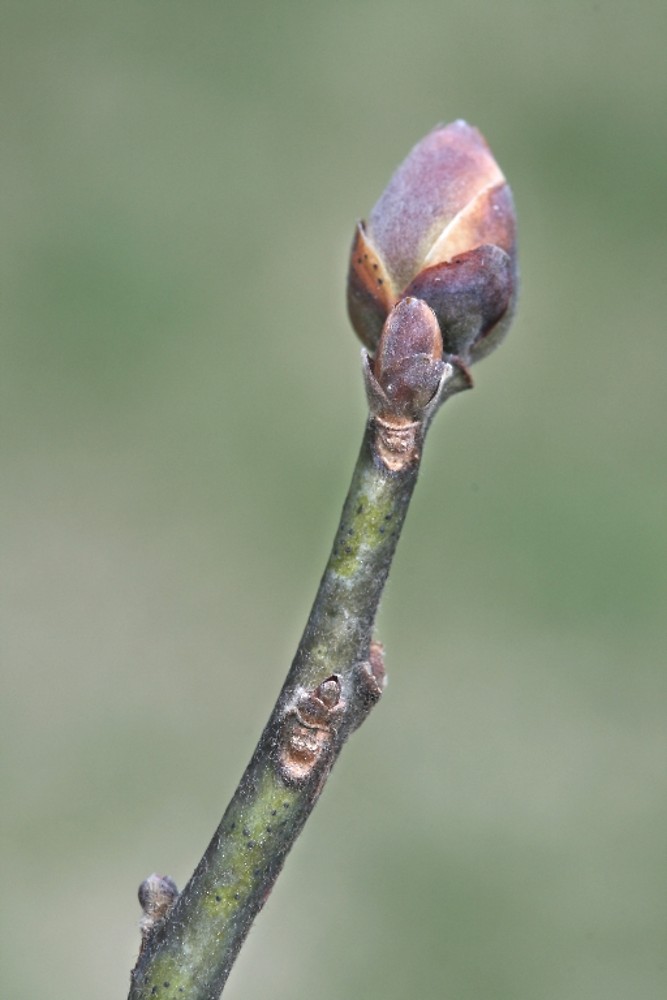
TWIGS AND BUDS: Young twigs are bright green, turning reddish in color as they grow, maintaining a smoother and shiny texture. Twigs have large white piths. Terminal buds are much larger than the lateral buds, with many loose scales.
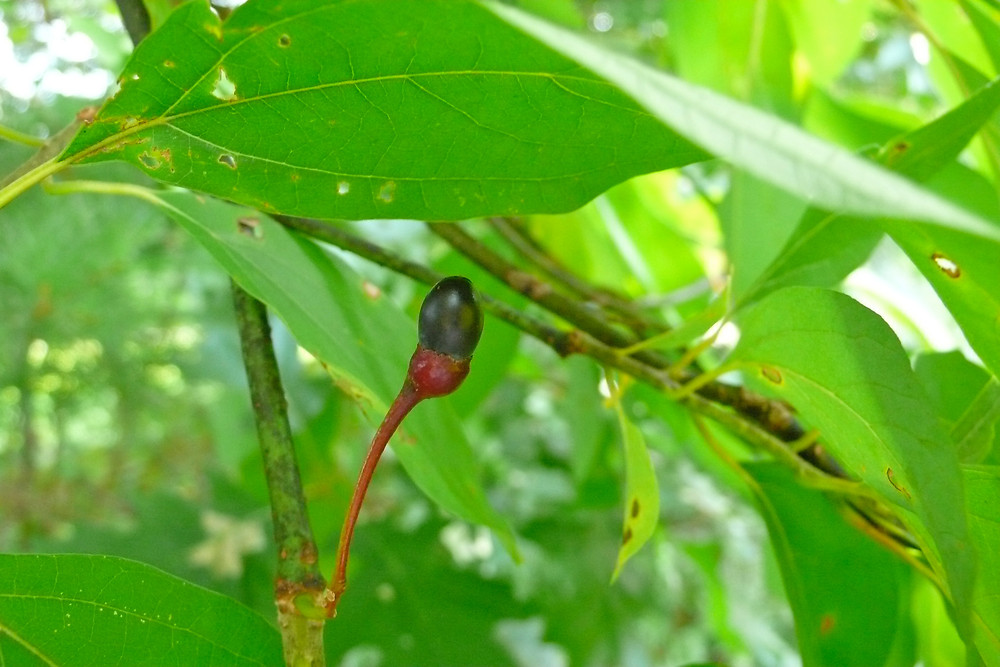
FRUIT OR SEED: Clustered fruits are green when immature and ripen to shiny, round dark blue-black drupes about ½ inch space in diameter, appearing on a red stem enlarged at the point of attachment and quickly eaten by wildlife.
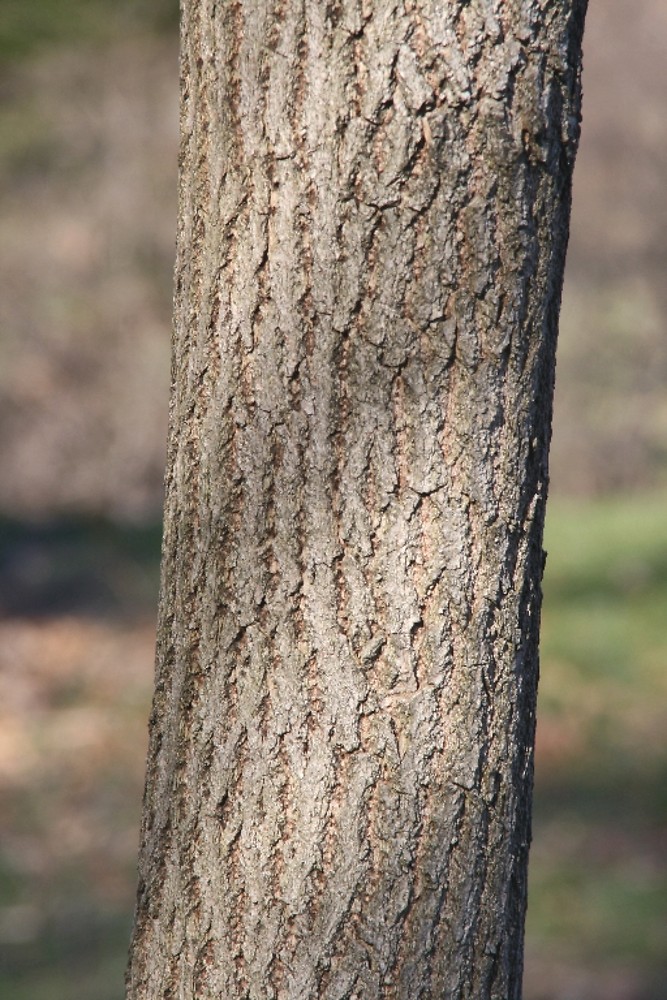
BARK: Young bark is usually furrowed and greenish-brown; mature bark is gray-brown with reddish inner bark, deep furrows, and interlacing ridges.
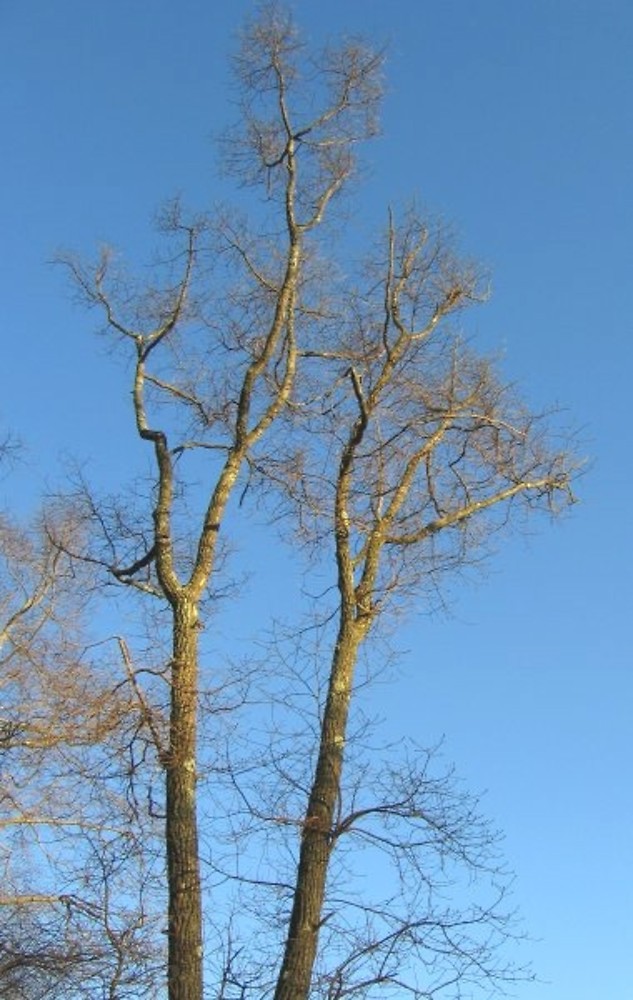
SHAPE: Irregular.
MATURE HEIGHT: 30-60 feet.
Photo credits: Donald Cameron, Arieh Tal (https://botphoto.info), Dawn Dentzer, Alexey Zinovjev

 Lower Olentangy Urban Arboretum