
Scientific name: Magnolia acuminata
Family: Magnoliaceae (Magnolia family)
Cucumbertree is by far the most common of the three native magnolias found in Ohio forests. Also called cucumber magnolia, it is named for its often-contorted fruits, which vaguely resemble cucumbers in their shape. The cucumbertree prefers moist, deep well-drained soils of slightly acidic pH and full to partial shade. It can adapt to average soils of neutral or alkaline pH but does not like prolonged drought, wet soils, or city pollution.
Identification
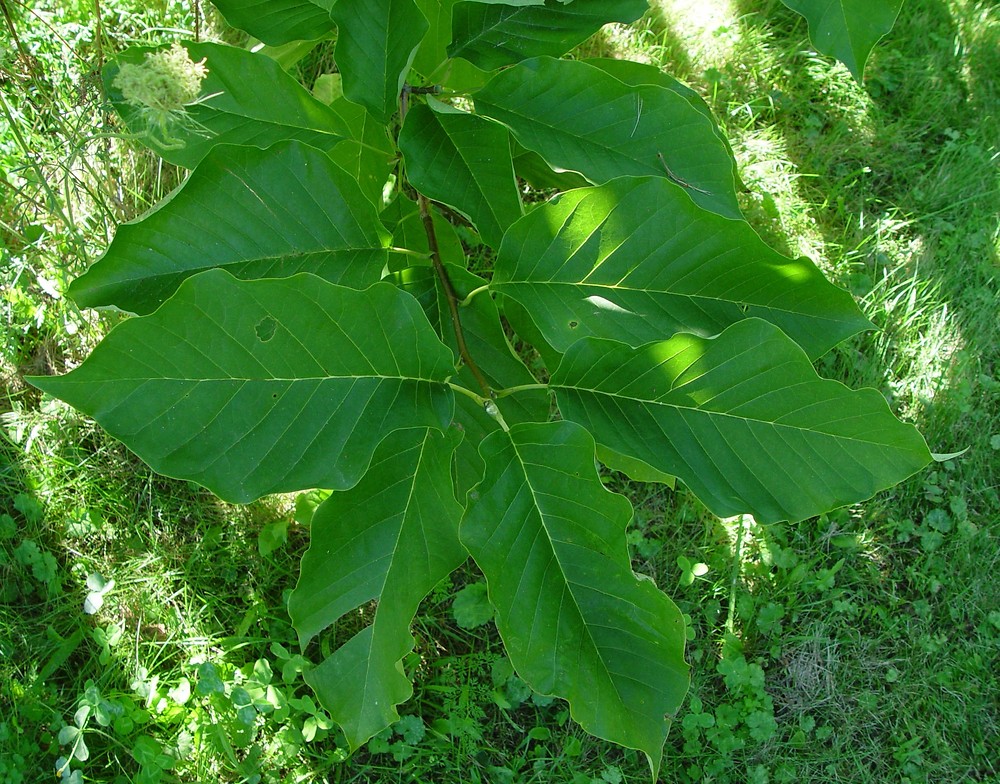
LEAF: Medium green leaves are large, 6-10 inches long, alternate, simple, smooth above, downy beneath, and ovate with smooth or somewhat wavy margins. Fall color is often yellow to brown and insignificant.
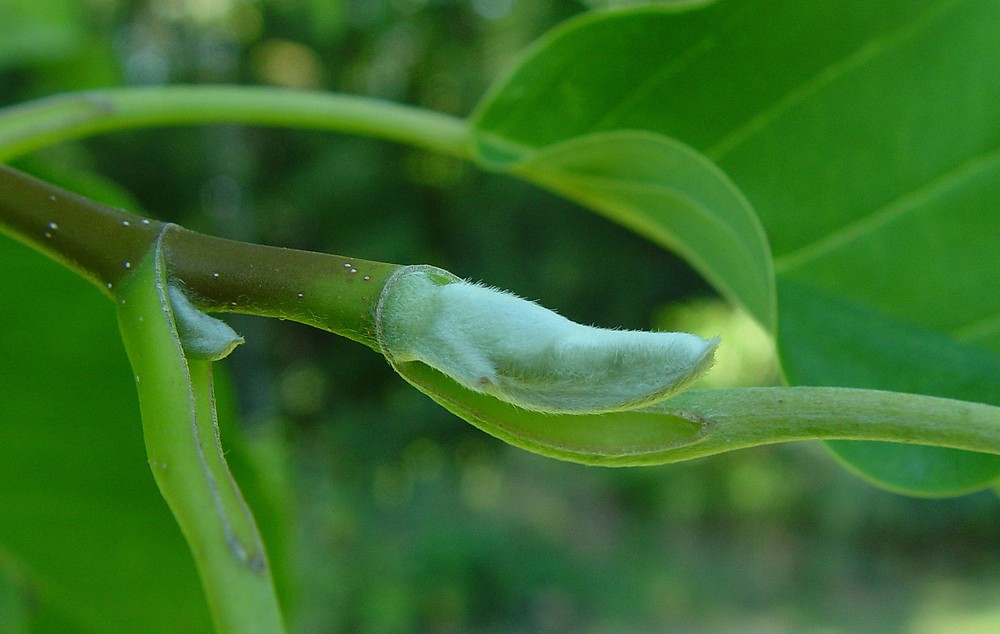
TWIGS AND BUDS: Twigs are reddish-brown and shiny with a peppery smell and taste. Buds are silvery-green, fuzzy, and form by mid-summer.
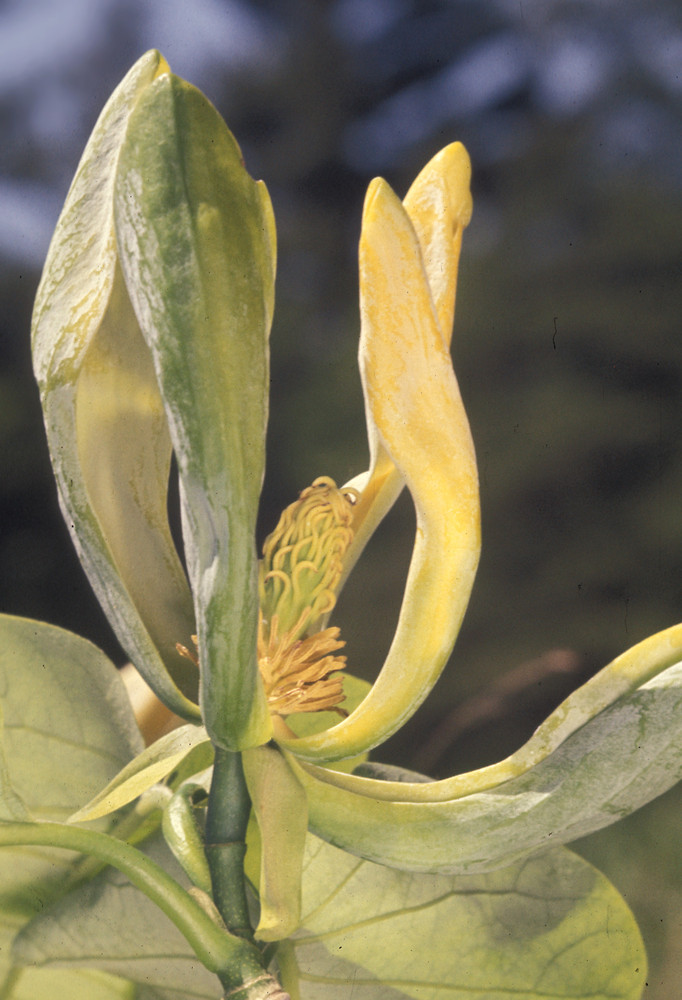
FLOWER: Large greenish-yellow, single, upright flowers appear from April to June; can easily blend with spring foliage and mostly occur in the upper canopy.

FRUIT OR SEED: Immature green fruits resemble a small green cucumber. By late summer and early autumn, the remaining fruits mature to a red color with scarlet red seeds. Songbirds, squirrels, and mice eat the seeds.
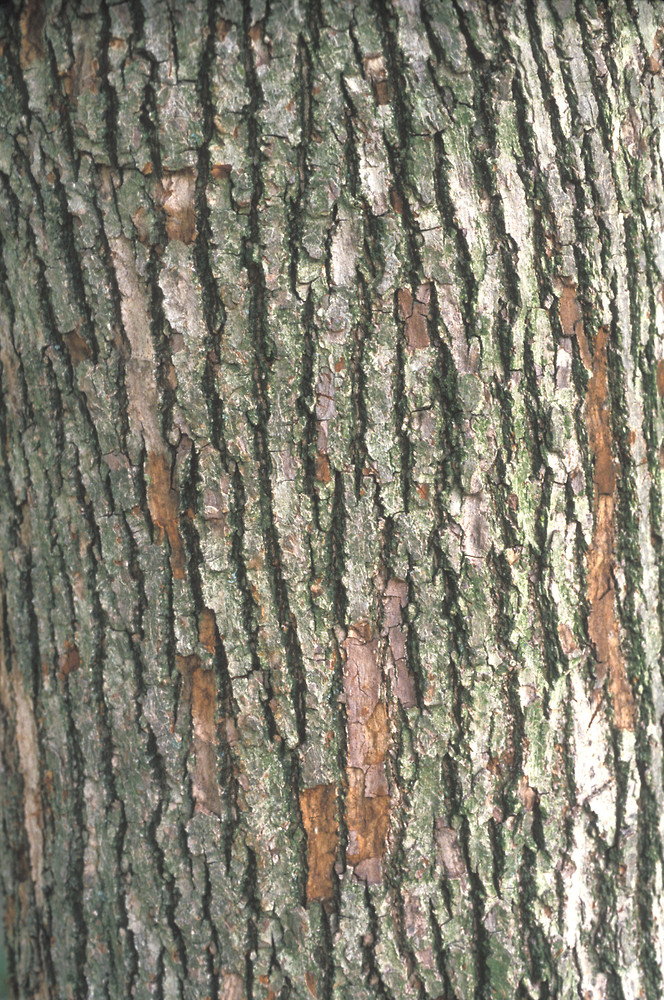
BARK: Gray-brown to brown, developing long, narrow furrows and loose scaly ridges with age.
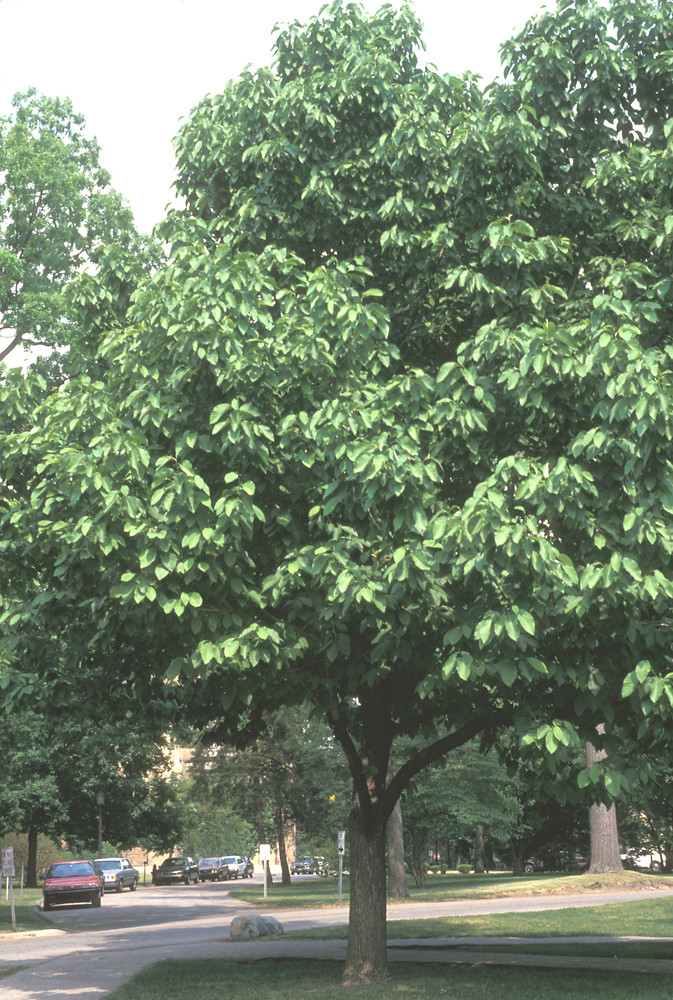
SHAPE: Rounded to broadly rounded.
MATURE HEIGHT: 60-80 feet.
Photo credits: ©Arthur Haines (Native Plant Trust), Adelaide Pratt (© 2024 Native Plant Trust), John Lynch (© 2024 Native Plant Trust).

 Lower Olentangy Urban Arboretum