
Scientific name: Quercus muehlenbergii
Family: Fagaceae (Beech family)
This native oak is most common in the limestone soils of southwest Ohio but scattered in other areas except in the northeastern corner of the state. Also known as sweet oak or chinquapin oak, its small acorns draw a variety of wildlife including wild turkeys, deer, chipmunks, and squirrels. Historically, its durable wood was used for split-rail fences and railroad ties. Chinkapin oak adapts to many soil conditions but prefers moist, well-drained, deep, rich, alkaline soils and full to partial sun.
Identification
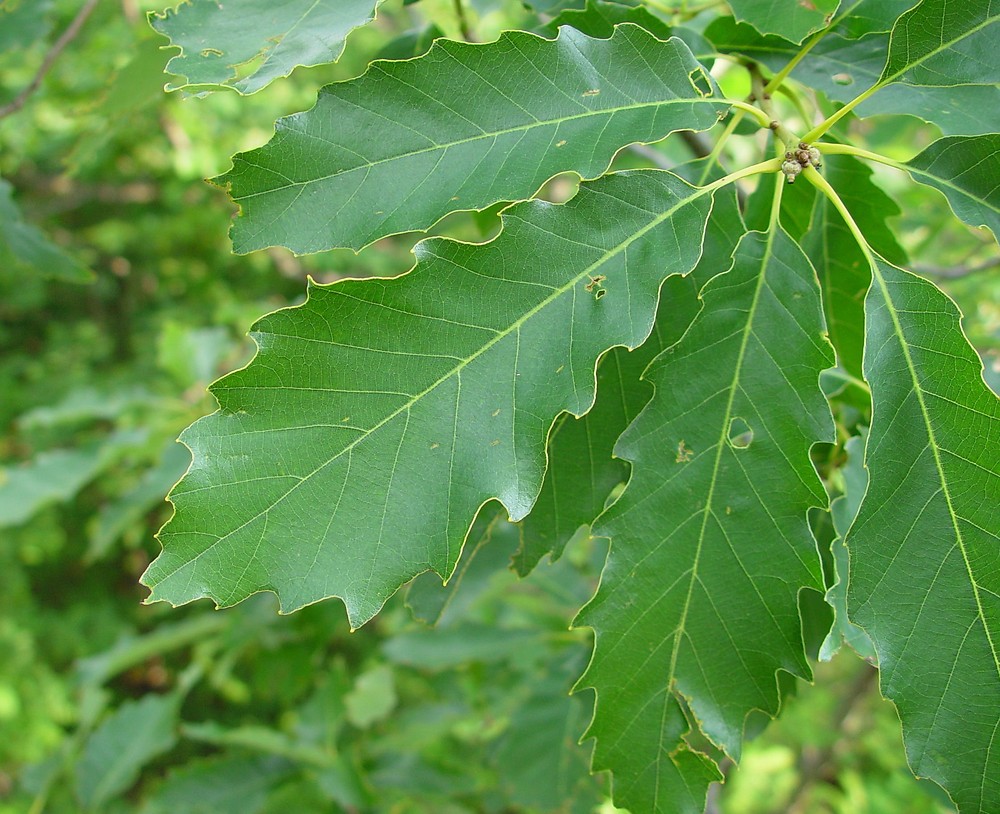
LEAF: Glossy alternate, oblong to slightly obovate, 4-6 inches long with margins that may be deeply or shallowly crenate. Fall color is usually yellow to yellow-brown; leaf drop is usually complete in late autumn.
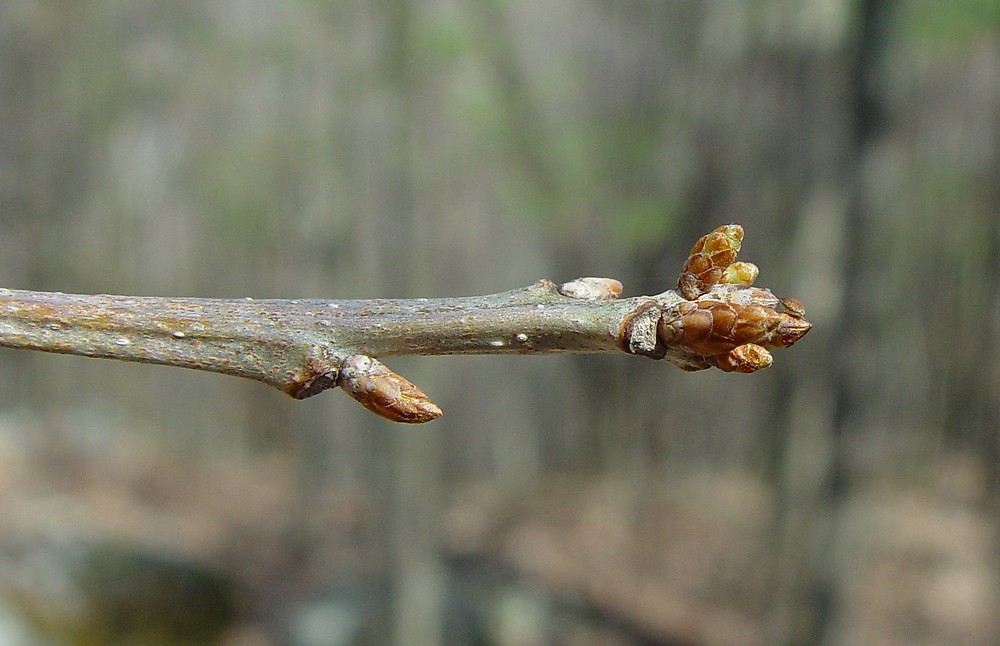
TWIGS AND BUDS: Small, clustered terminal buds are orange-brown and sharp pointed on slender twigs.
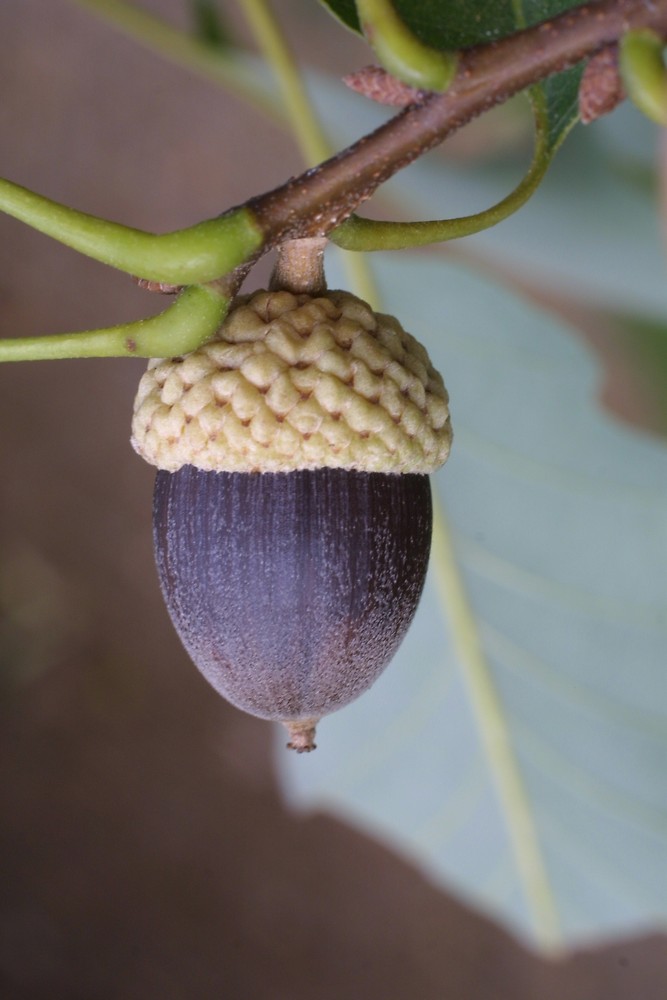
FRUIT OR SEED: Acorns are small, up to 3⁄4 inch in size, and mature in one season, with a thin, bowl-shaped warty cap covering half the nut and a smooth inner lining that looks like a shiny bowl. Acorns are known as the sweetest of Ohio’s oaks.
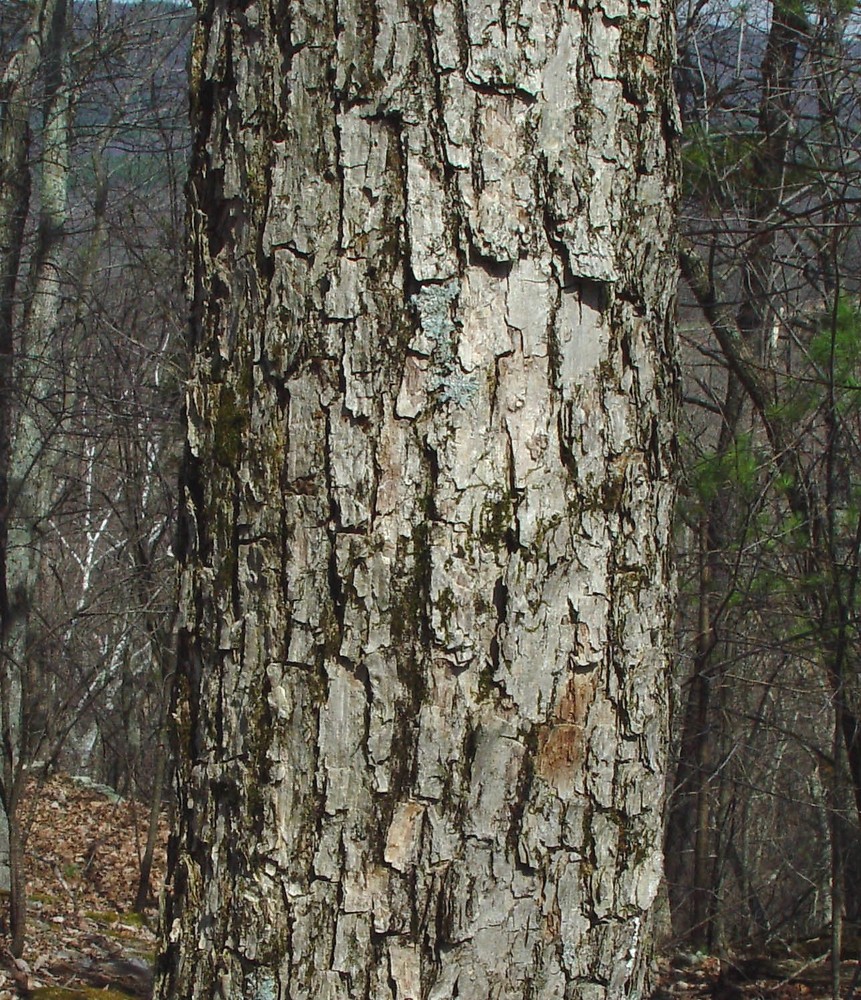
BARK: Immature bark is light gray and ranges from flaky to platy. Mature bark has ridges that break into light gray blocks and are separated from dark gray furrows. The bark flakes off easily when rubbed.
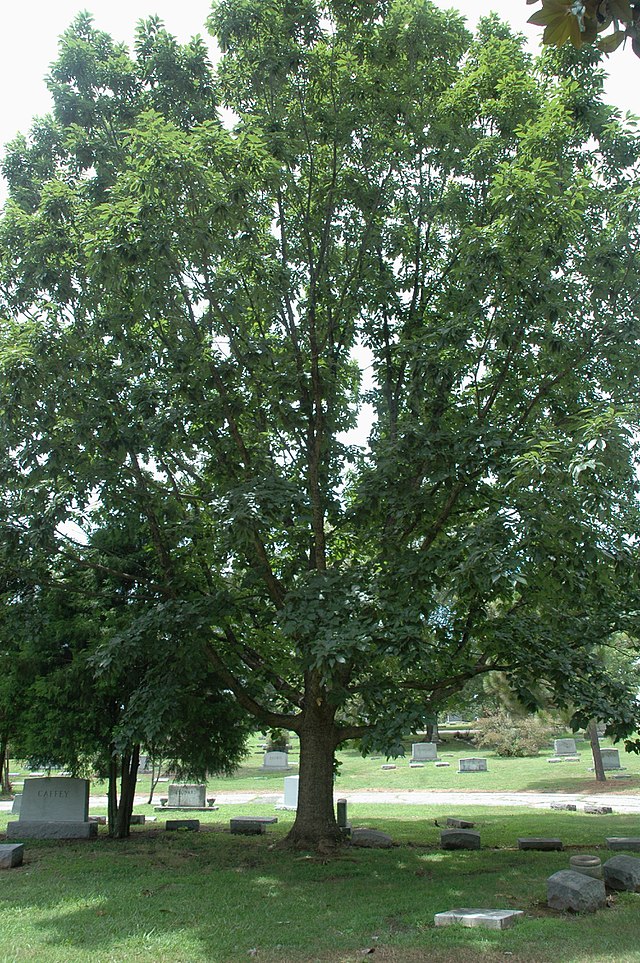
SHAPE: Spreading.
MATURE HEIGHT: 60-80 feet.
Photo credits: ©Arthur Haines (Native Plant Trust), Steven Baskauf, Bruce Kirchoff.

 Lower Olentangy Urban Arboretum