
Scientific name: Quercus montana
Family: Fagaceae (Beech family)
The chestnut oak is found in eastern and southern Ohio, in the unglaciated Appalachian highlands. The slow-growing chestnut oak is named due to its resemblance to the American chestnut tree. Because this species is a source of tannin extract (an organic substance used in leather production), this tree is also known as the tanbark oak. This native tree grows best in full to partial sun and moist, well-drained, acidic soils; however, is highly adaptable and can often be found growing in poor, rocky, dry soils of alkaline or neutral pH.
Identification
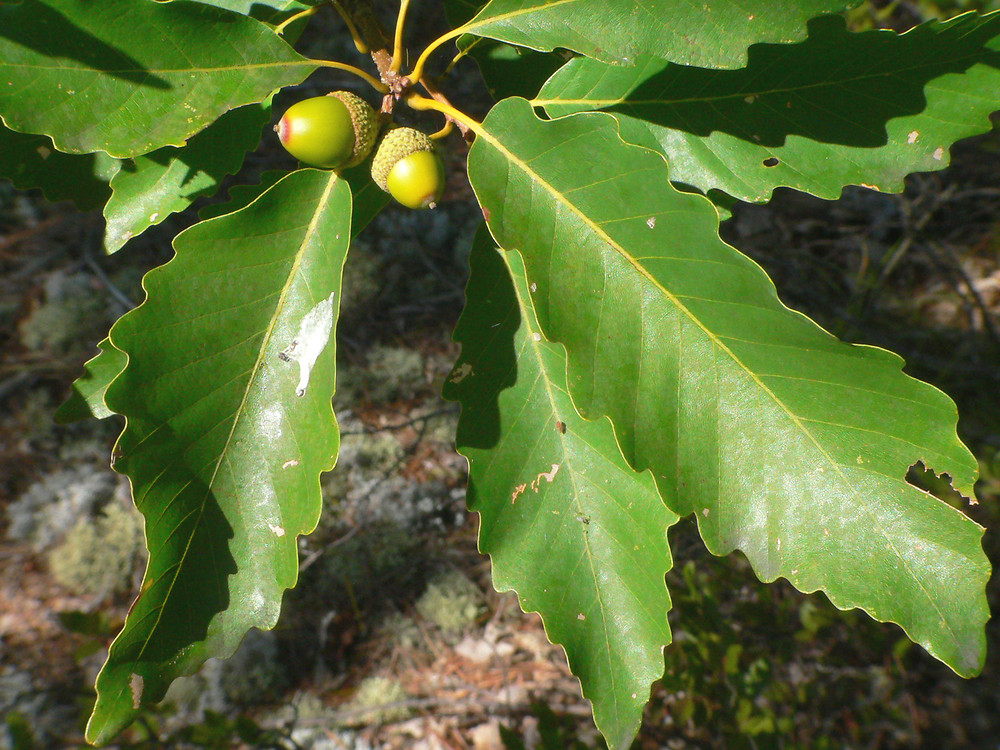
LEAF: Dark green and leathery, 4-8 inches long, alternate and obovate. They are roughly oval but often wider near the apex with large, rounded teeth. Leaf undersides are medium-green and often hairy.
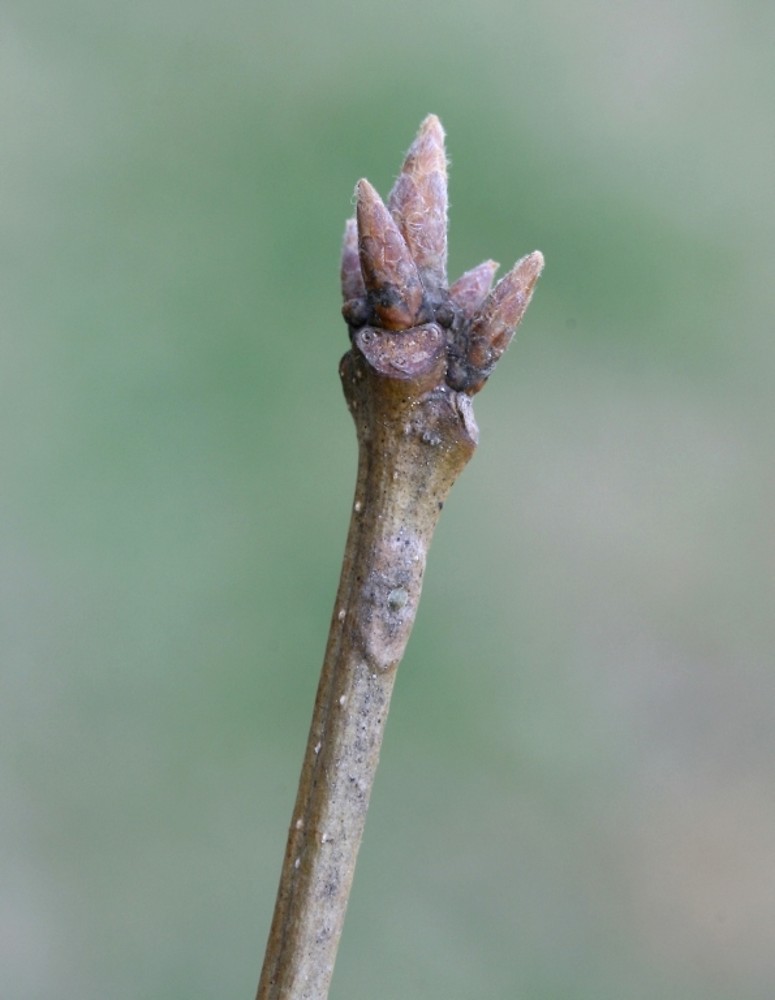
TWIGS AND BUDS: Stout twigs with rapidly accumulating bark; large, jagged, and pointed terminal buds that are clustered.
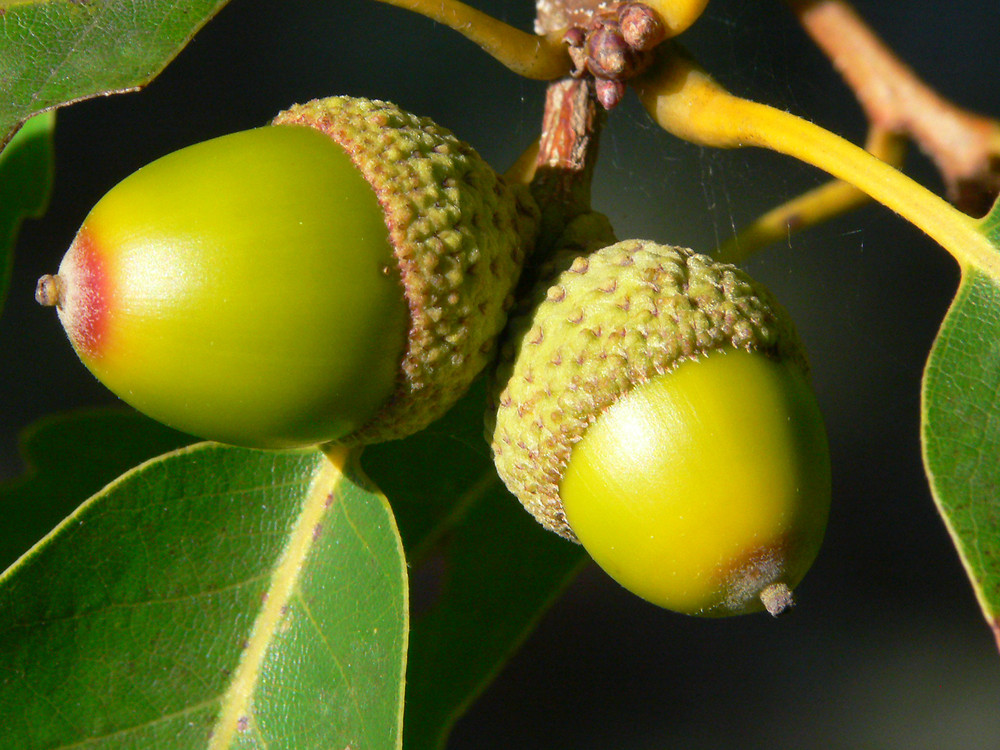
FRUIT OR SEED: Acorn is shiny, large, oval-shaped, and takes only one season to develop. The cup is thin, covered with fused scales, and attached to branches by long peduncles.
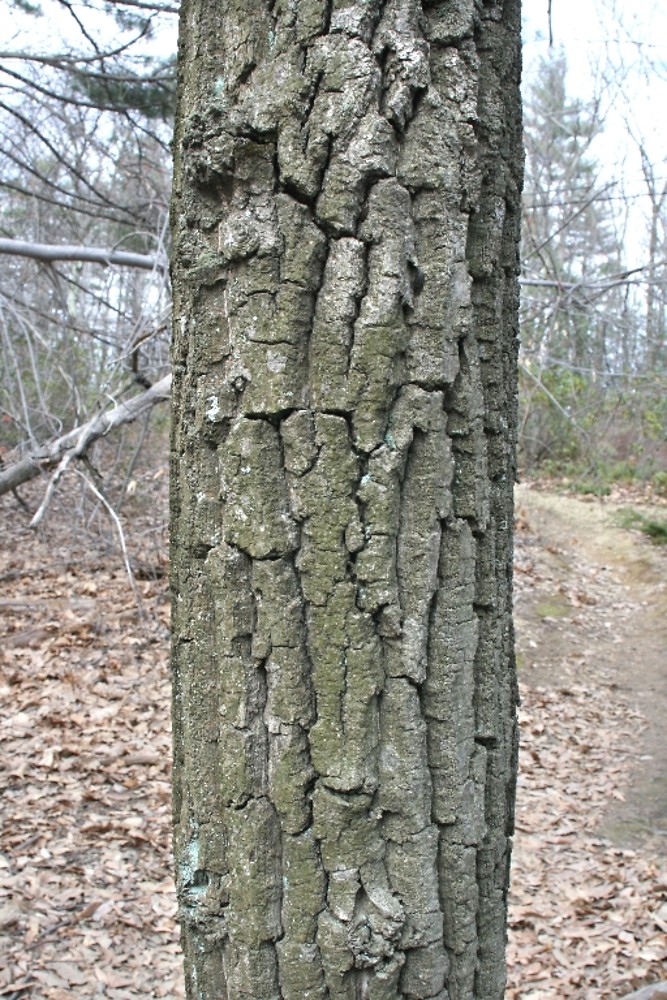
BARK: Its unique light to medium gray mature bark features triangular ridges with deep furrows in between them.
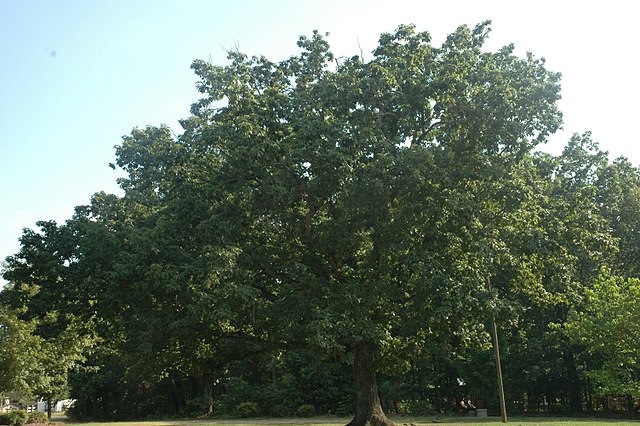
SHAPE: Variable, can be pyramidal to oval to rounded.
MATURE HEIGHT: 70-100 feet.
Photo credits: Jason Sachs, Bruce Kirchoff, Arieh Tal (https://botphoto.info)

 Lower Olentangy Urban Arboretum